

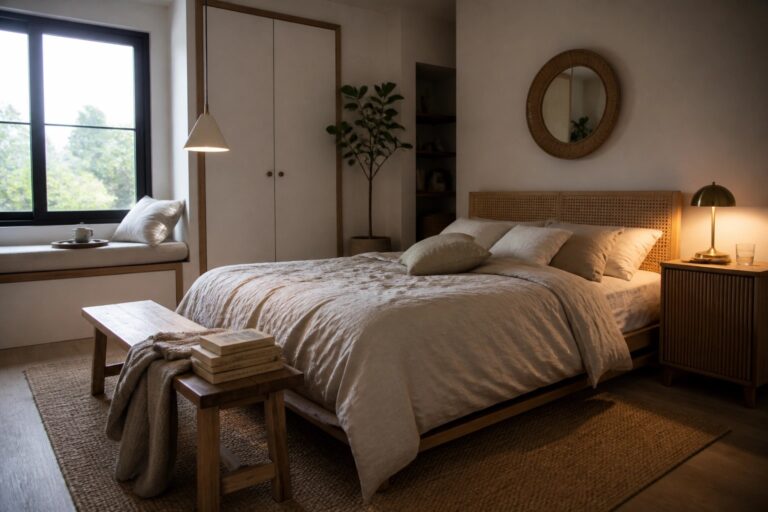
I’ve found that bedrooms support calmer evenings only when the layout keeps the bed as the clear focal point without extra furniture blocking natural paths.
The way lighting shifts from overhead to softer bedside sources often decides whether the space actually helps me slow down at the end of the day.
Small adjustments matter most.
Many homeowners discover that swapping heavy curtains for lighter layers changes how quiet the room feels once the sun goes down.
I tend to try one change at a time, like moving a lamp or clearing a surface, before deciding what else needs to shift.
Add a Bench at the Foot of the Bed
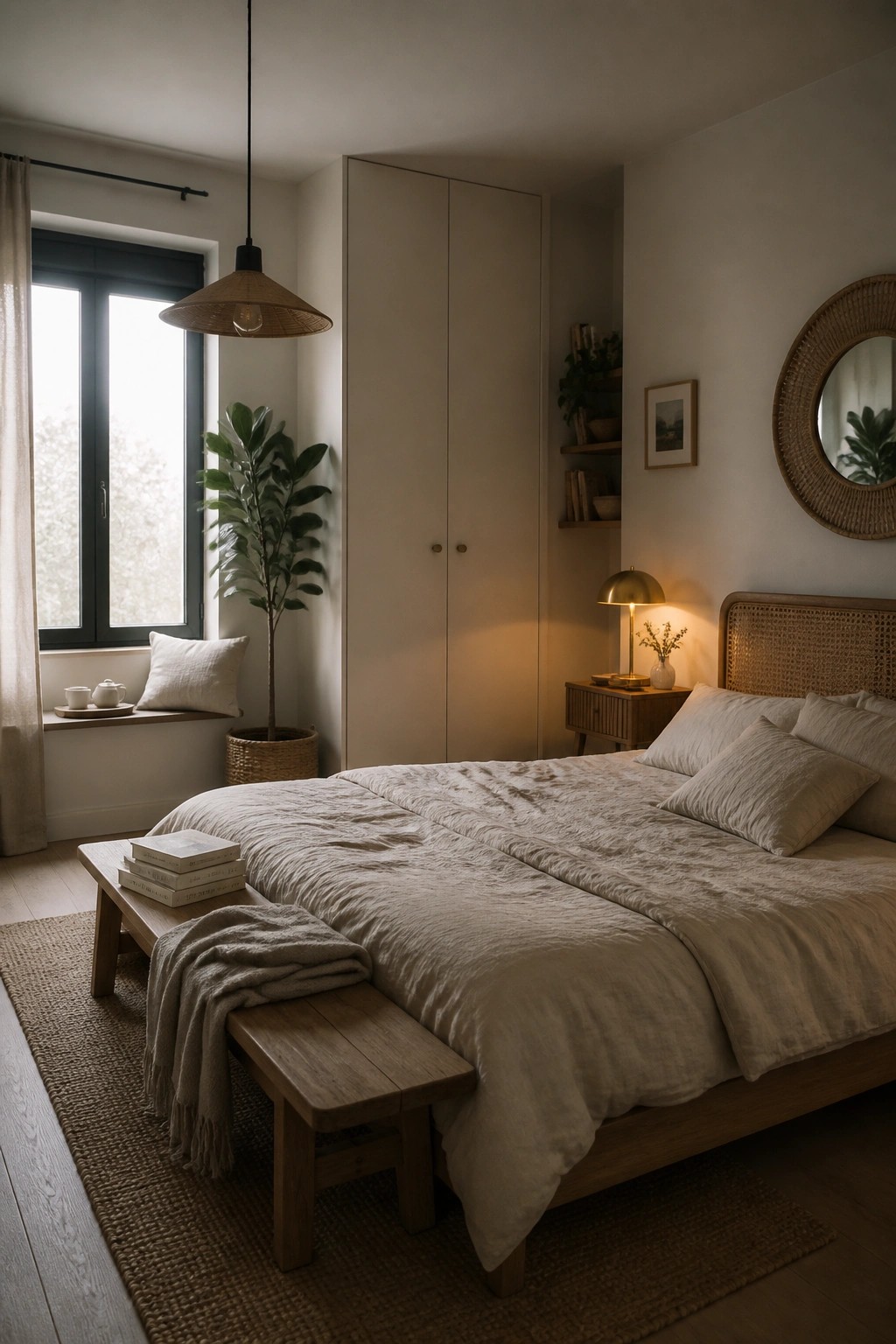
A bench at the end of the bed gives the room a quiet spot to pause before getting under the covers. It turns the bed into more of a settled area instead of just a place to sleep.
This works best in bedrooms that already feel open and calm. Keep the bench low and simple so it does not crowd the space, and use it for one or two things like a folded blanket rather than everyday clutter.
Dark Colors For A More Restful Bedroom
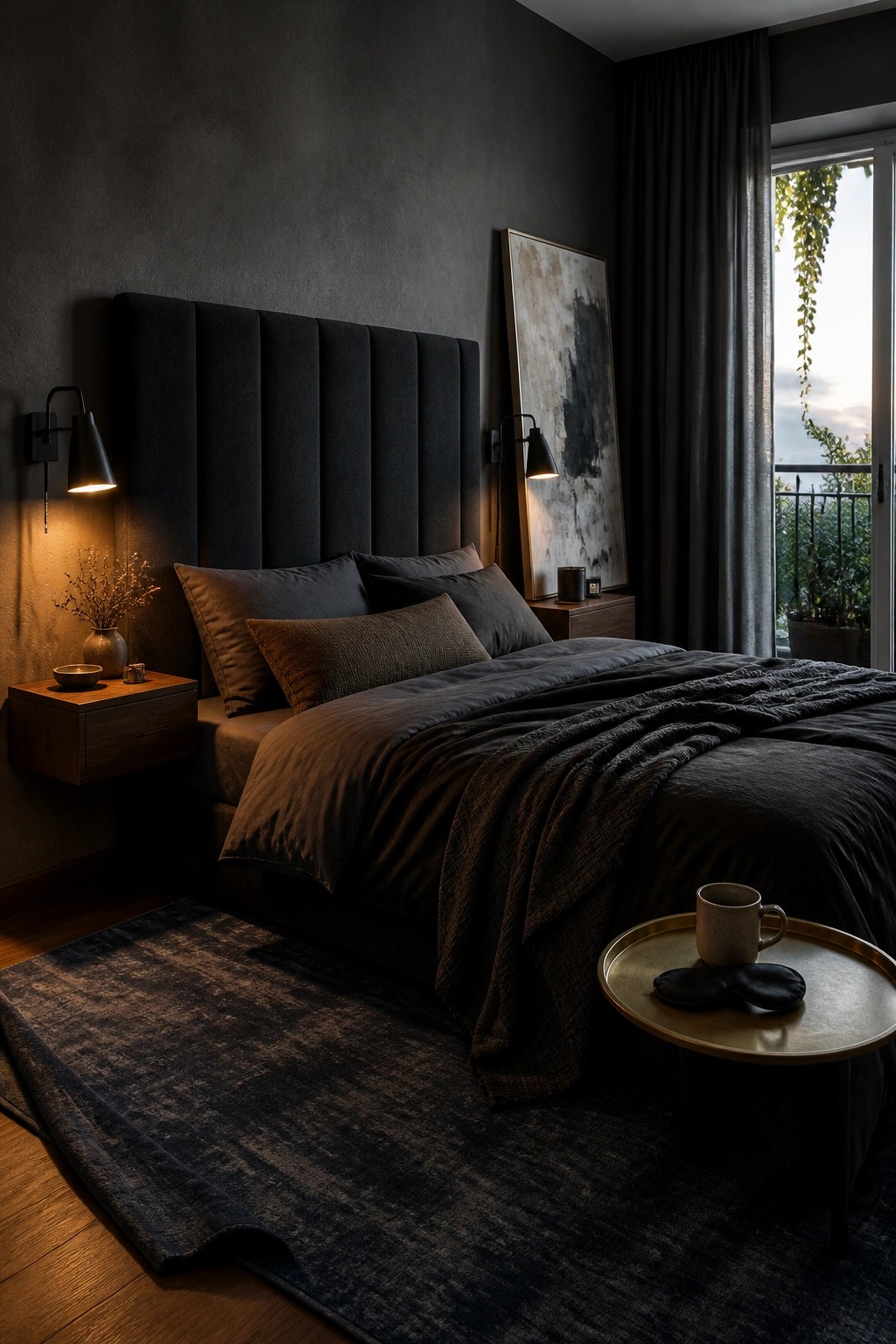
A deep color palette can make a bedroom feel quieter and more contained at night. The walls and bedding blend together so the space does not pull your attention in different directions before sleep.
This approach suits smaller rooms or anyone who wants fewer visual distractions. Stick with similar dark tones across the textiles and use simple wall lights rather than bright overhead fixtures.
Soft Blues With Natural Textures
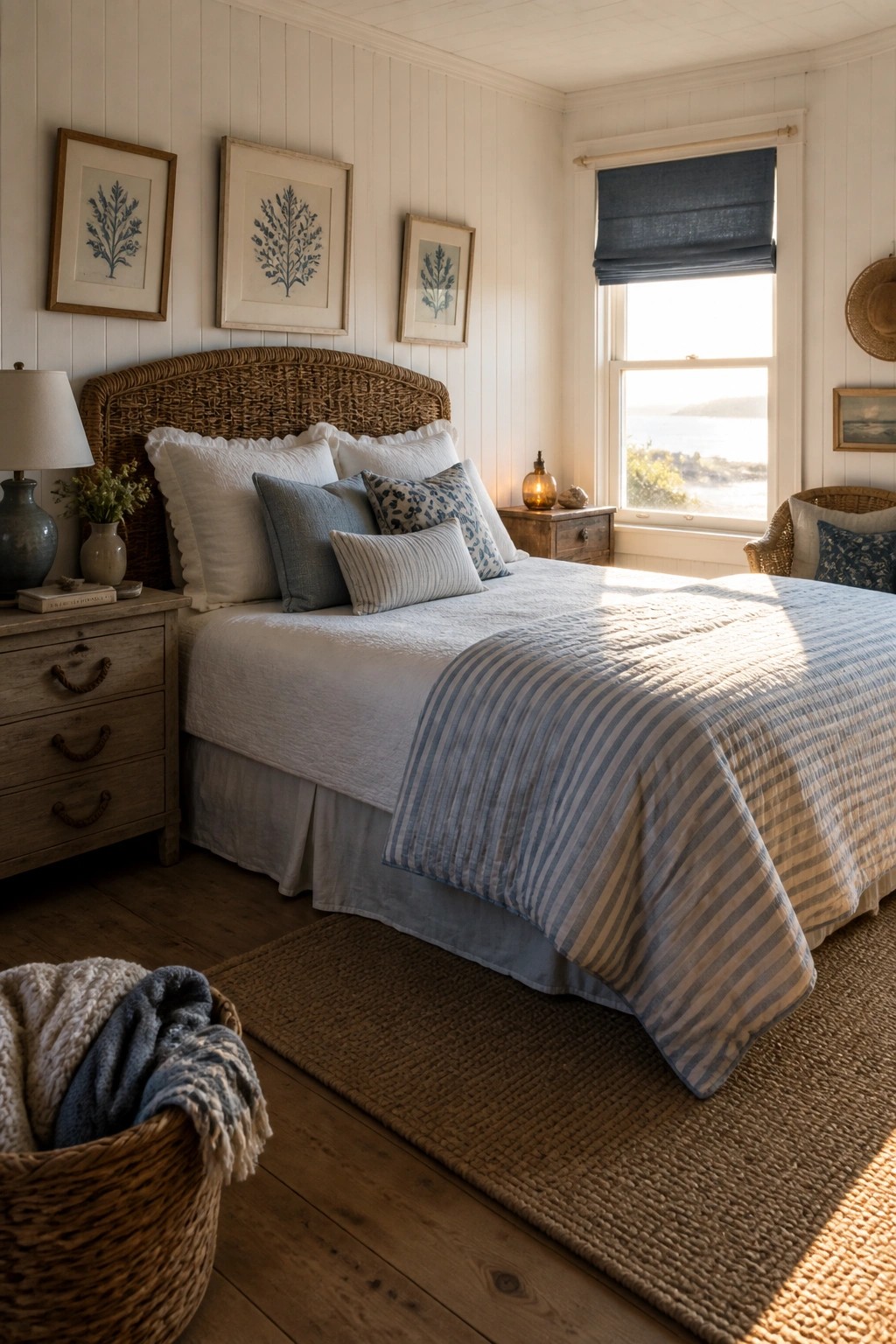
A bedroom stays calmer when the colors stay limited and the materials feel simple. Soft blues mixed with white linens and wood tones keep the space feeling open and easy on the eyes, which helps the room do its job at the end of the day.
Try starting with the bedding and curtains in a few close shades of blue, then bring in one or two woven pieces like a headboard or rug for texture. This works best in rooms that already get good light and do not need a lot of extra pattern to feel finished.
Low Platform Beds on Tatami Mats

A low platform bed set on tatami mats gives the whole room a grounded feel. The height stays close to the floor, which makes the space feel quieter and easier to settle into at the end of the day. Natural textures and open sight lines help the room stay calm without much extra effort.
This approach works well in smaller bedrooms or homes that already favor simple layouts. Keep the bedding light and limit tall pieces nearby so the low profile stays effective. It suits anyone who wants the space to feel restful rather than styled.
Built-In Shelving Behind the Bed

Built-in shelves right behind the bed give you a calm place to keep a few favorite things without adding extra furniture or clutter. The shelves stay part of the wall, so the room still feels open and easy to move through at night.
This setup works best in bedrooms that already have some wall depth above the headboard. Keep the items simple and low in number so the space stays restful instead of busy.
Use a Canopy Over the Bed
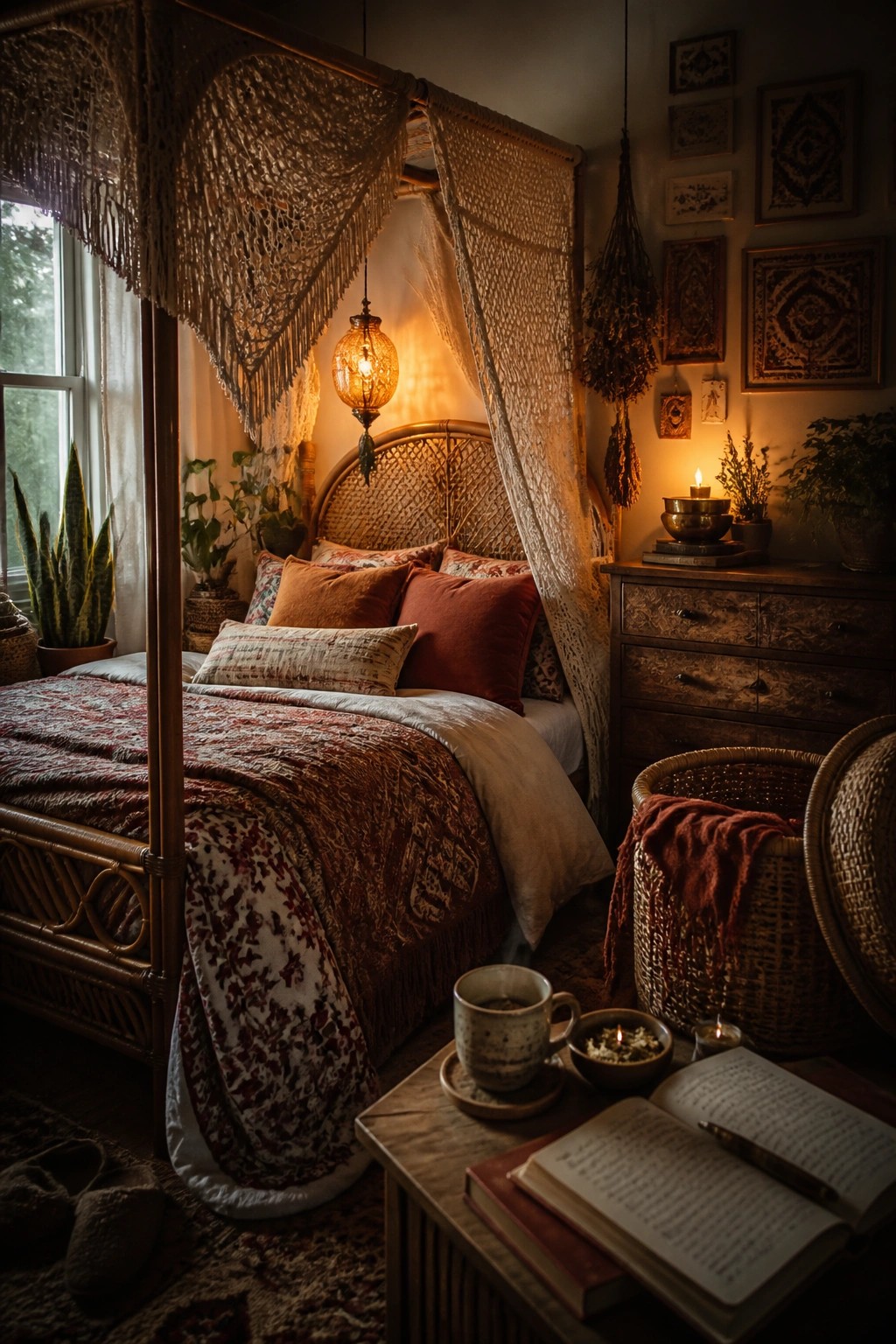
A canopy gives the bed a clear boundary that helps the whole room feel quieter at night. The soft fabric around the frame blocks out some visual noise and makes the space inside feel more sheltered without needing extra walls or doors.
This works well in smaller bedrooms where you want the bed to become the main place for reading or tea before sleep. Keep the fabric light so it does not block airflow, and pair it with just one or two low lamps so the light stays gentle.
Built-In Shelving Above the Bed
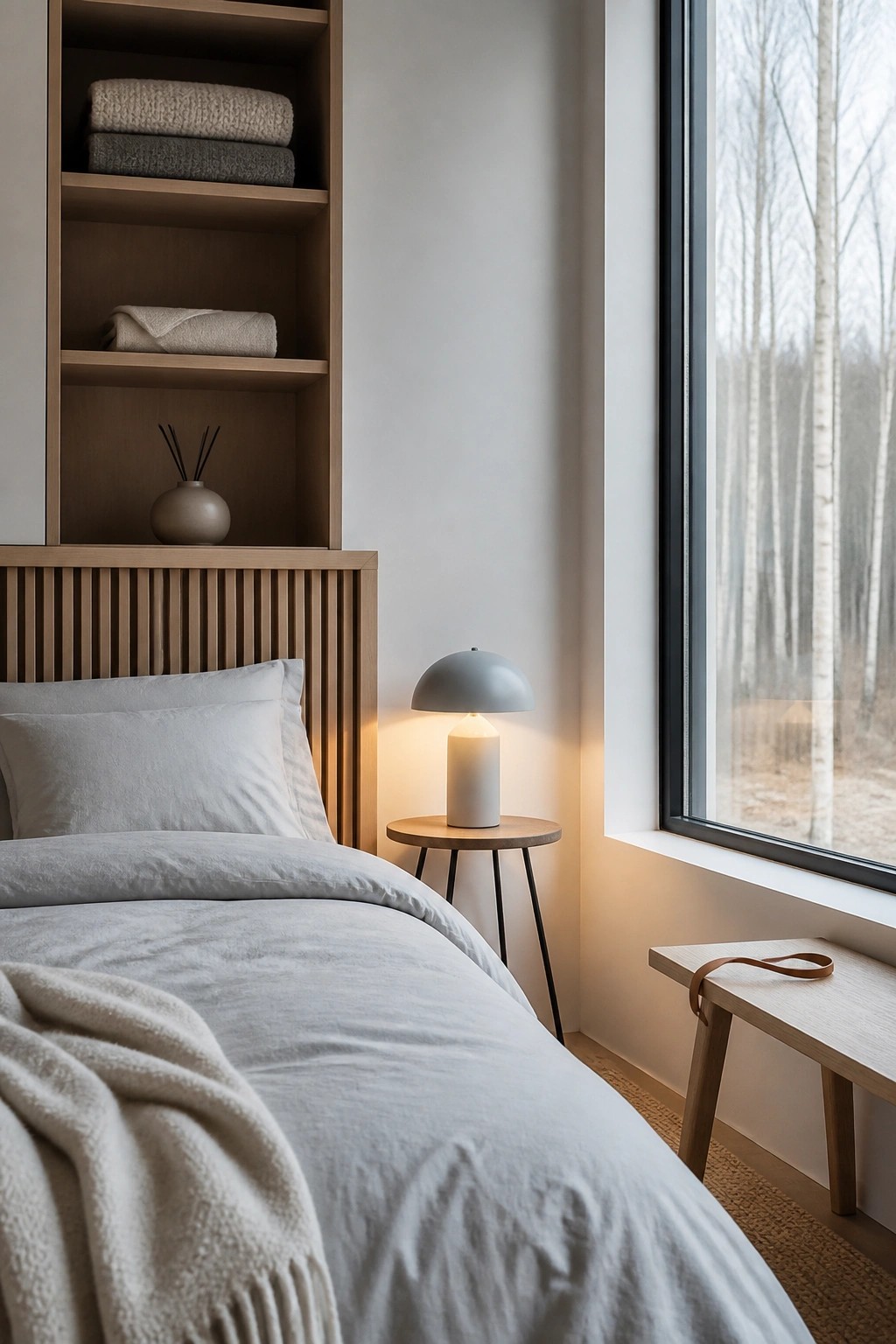
Adding shelves directly over the bed creates useful storage without crowding the floor. It keeps extra linens and a few small items close at hand while leaving the room feeling open and calm.
This works best in smaller bedrooms where every inch counts. Match the wood tone to the headboard and avoid overfilling the shelves so the space stays restful at night.
Layered Neutral Bedding
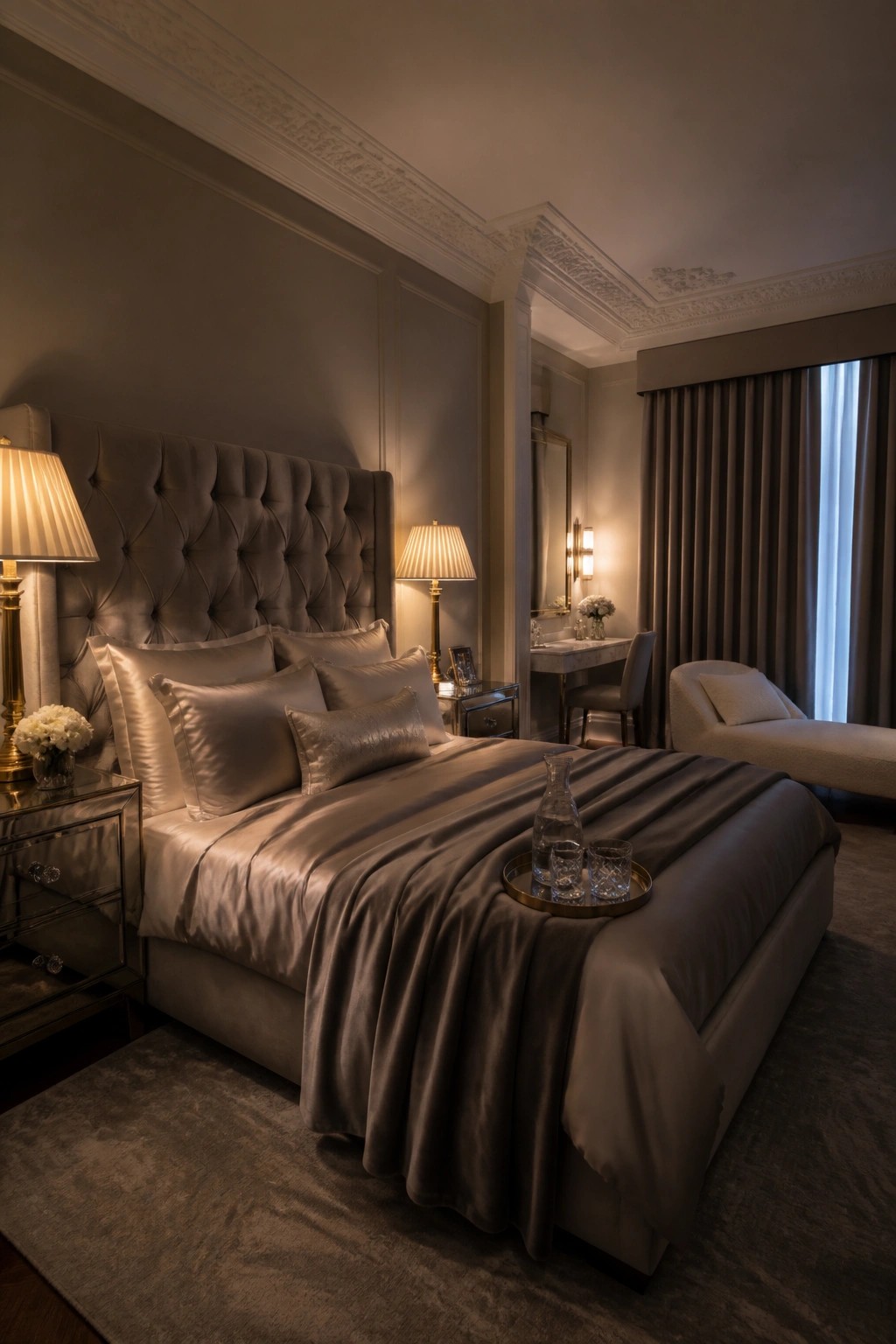
A bed dressed in multiple layers of the same soft neutral tones can make the whole room feel quieter at the end of the day. The matching shades on the sheets, pillows, and throw keep the eye from jumping around, which helps the space feel more settled.
This approach works well in rooms that already have some pattern or texture on the walls or furniture. Stick to one main color family and vary only the finishes, like mixing matte cotton with a bit of silk or linen. Too many different neutrals can start to feel busy instead of restful.
Pair Soft Colors with Natural Textures

A bedroom with muted sage walls and lots of natural materials tends to feel calmer right away. The woven headboard and wooden pieces keep things simple while adding just enough warmth to help the space feel ready for rest.
This works especially well in smaller rooms or homes near the coast where you want the light to stay soft. Stick to light linens and a few wood tones, and skip anything too shiny or busy.
Patterned Ceilings For A Calmer Bedroom
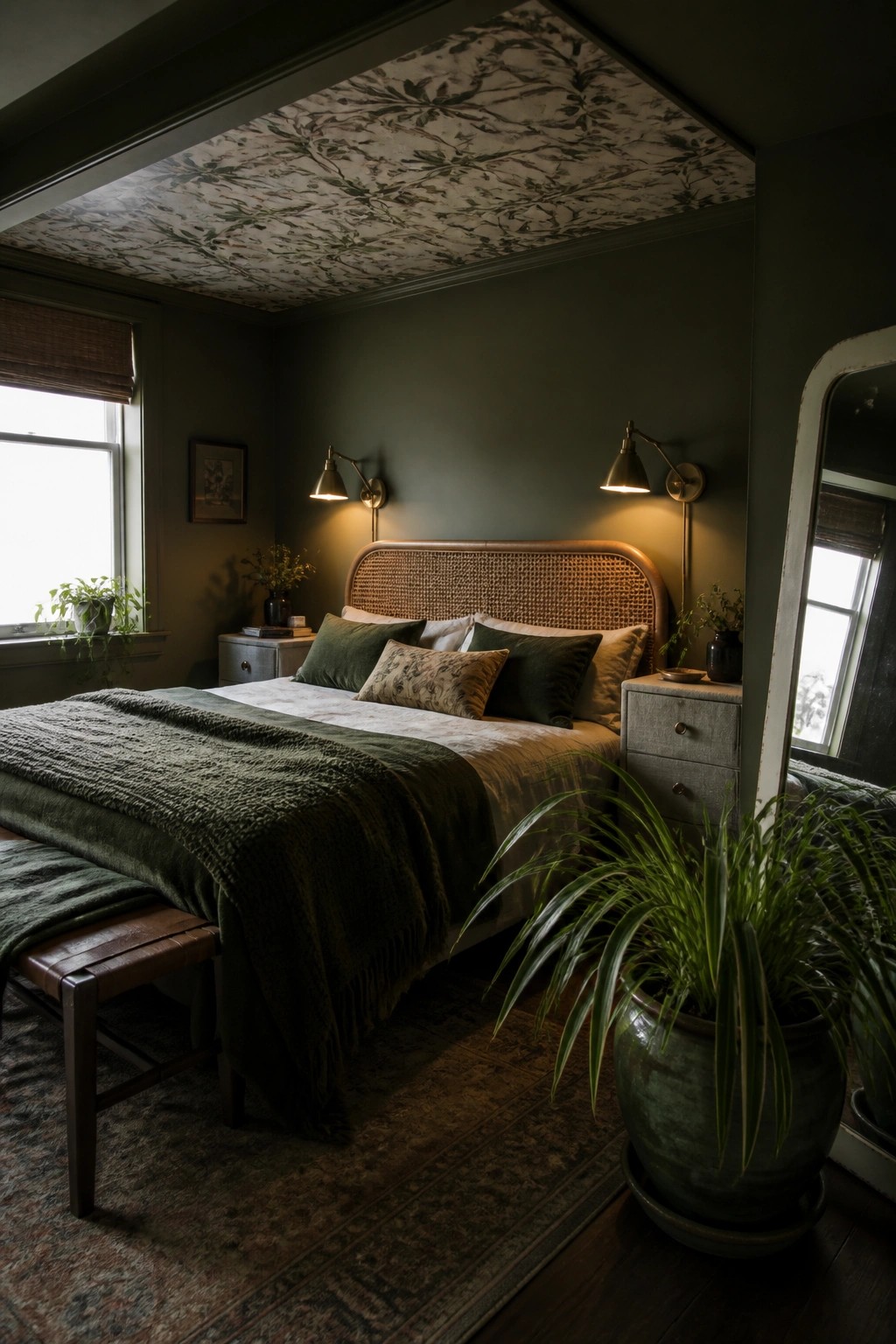
A patterned ceiling adds a quiet layer of interest that makes a bedroom feel more contained and restful. The soft leaf design overhead pairs with the deep green walls to create a gentle sense of enclosure, which can help the space feel separate from the rest of the house at the end of the day.
This approach works best in rooms where you already plan to use darker or mid-tone walls. Keep the pattern muted and in similar tones so it does not compete with bedding or art. It suits older homes with taller ceilings especially well.
Try A Floor Pouf For Evening Wind Down
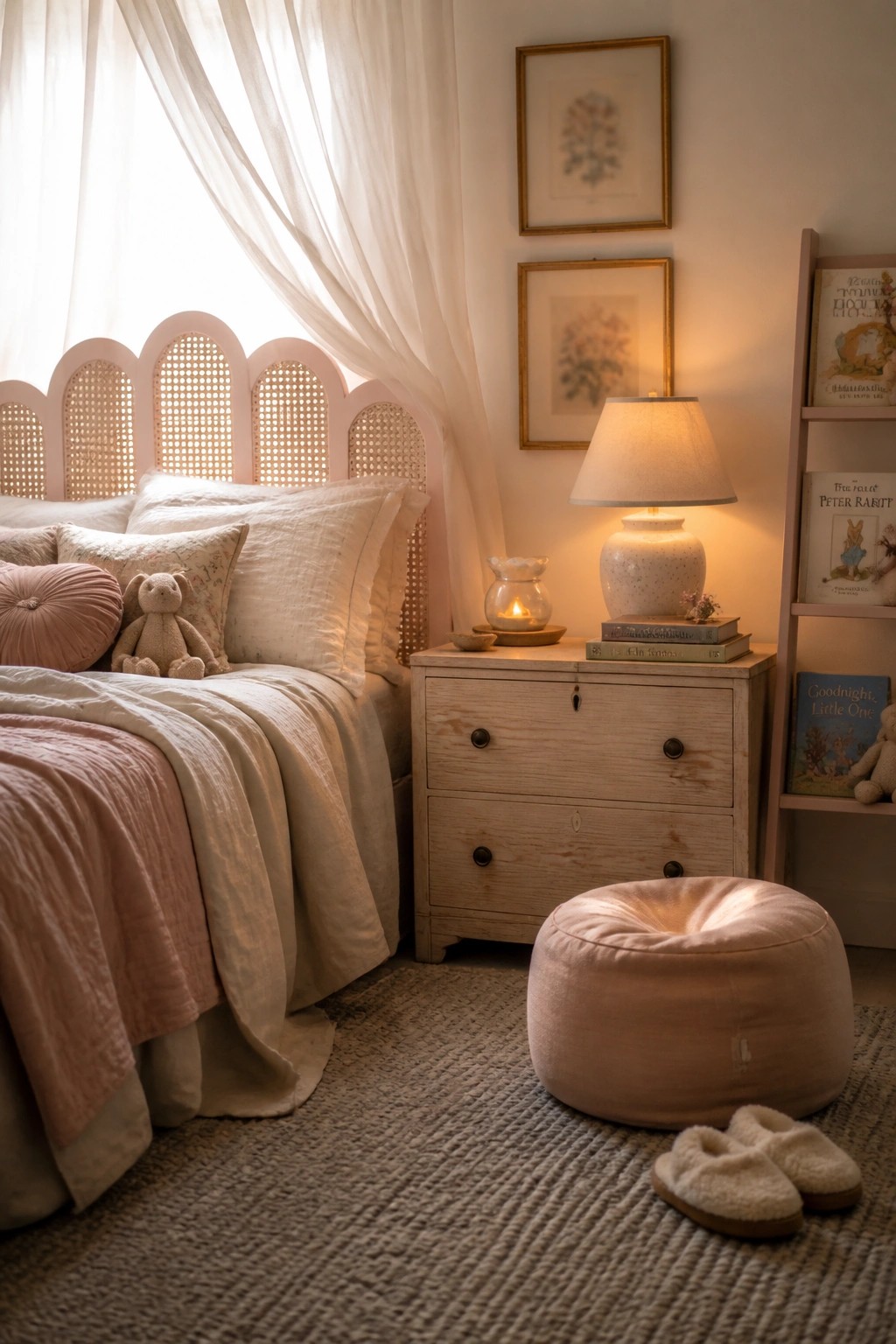
A low pouf placed near the bed gives you a simple spot to sit without climbing straight under the covers. It keeps the room feeling open while still offering a place to read, stretch, or just settle for a few minutes before sleep.
This works especially well in smaller bedrooms where a full chair would crowd the space. Keep it near a lamp so the area stays softly lit, and choose a fabric that feels soft under bare feet.
Built-In Storage That Keeps The Bedroom Calm

Built-in closets with plenty of closed space help cut down on visual noise. When everything has a place behind doors or on higher shelves, the room feels quieter at the end of the day.
This setup works especially well in bedrooms that double as dressing areas. A rolling ladder makes the top shelves useful instead of just decorative, and it suits homes where you want storage without adding more standalone furniture.
Warm Wall Sconce For Gentle Evening Light
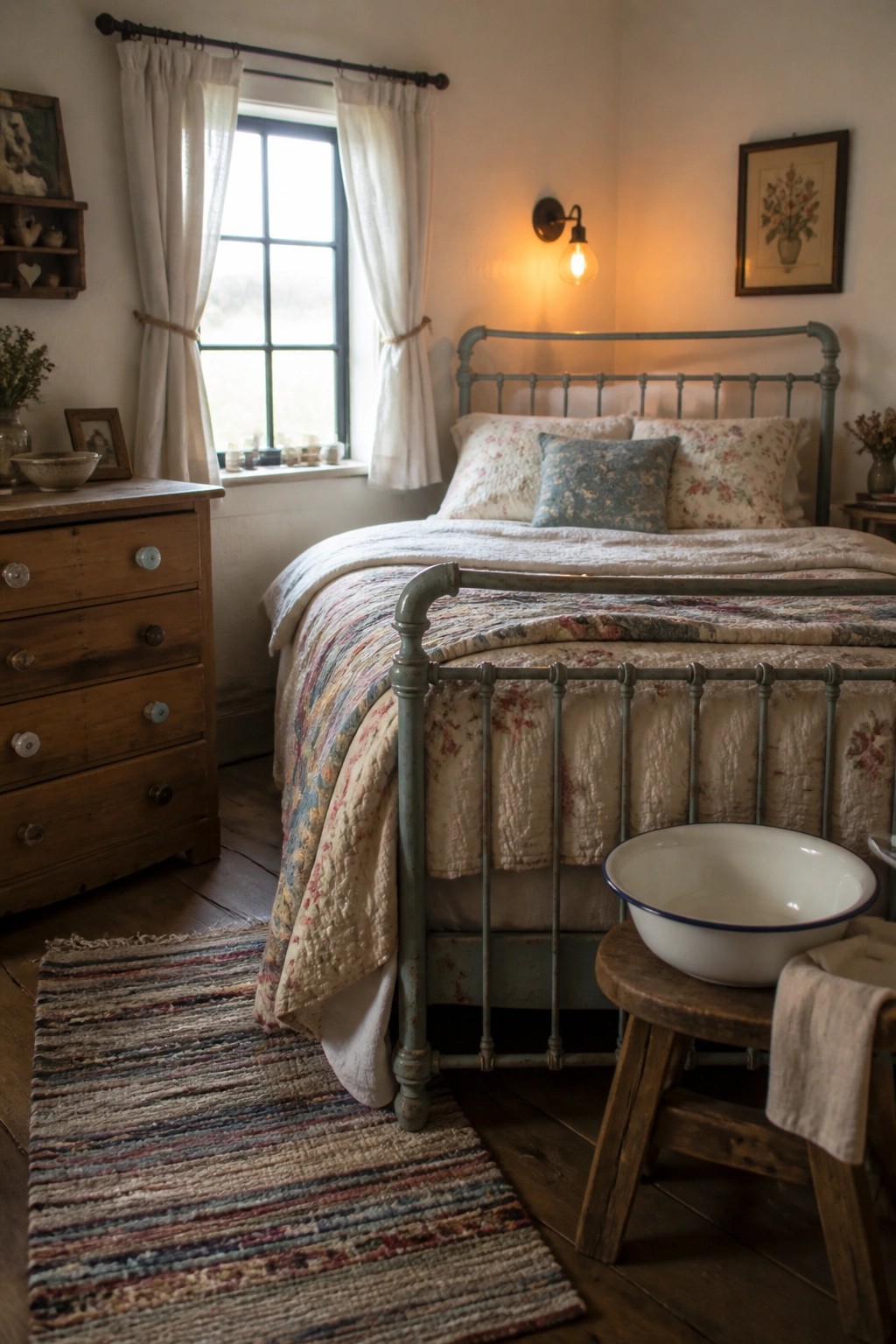
A wall sconce with a warm bulb gives the room a softer light than any overhead fixture can manage. It keeps the space calm once the sun goes down and helps signal that it is time to slow down.
Put the sconce on a dimmer if possible and place it where it lights the bed area without shining straight into your eyes. This works best in smaller bedrooms or older homes where simple fixtures already feel at home.
Warm Layered Lighting For Easier Evenings

Many bedrooms feel too bright at night even after the main lights are turned off. Adding a mix of cove lighting along the ceiling edge and a few wall sconces gives you softer options that actually help the room feel calmer as the evening goes on.
This approach works well in any bedroom where you want to avoid harsh overhead lights before bed. Keep the sconces on a dimmer and use warm bulbs so the light stays low and gentle. It suits smaller rooms especially well since it reduces the need for extra lamps on nightstands.
Warm Bedside Lamps for Evening Calm

Many people find it easier to settle down when the room does not rely on one bright ceiling light. Placing a lamp on each side of the bed gives a lower, warmer glow that feels less harsh and helps the space shift into rest mode.
This approach works in most bedrooms as long as the lamps sit at a comfortable height and use bulbs that lean toward soft white rather than cool daylight. It is especially useful in smaller rooms where overhead lighting can feel too strong at night.
Natural Materials Make Bedrooms Feel Calmer

Natural textures like woven rattan, jute, and wood bring a grounded feeling that helps the whole room slow down at night. They keep the space from feeling too polished or cold, and the mix of soft fibers with rougher surfaces adds just enough interest without any extra effort.
This approach works well in smaller bedrooms or any space where you want to encourage a simple evening routine. Keep a low tray nearby with tea and a book so everything you need is already in reach when you are ready to settle.
Dark Colors Help Create A Restful Bedroom
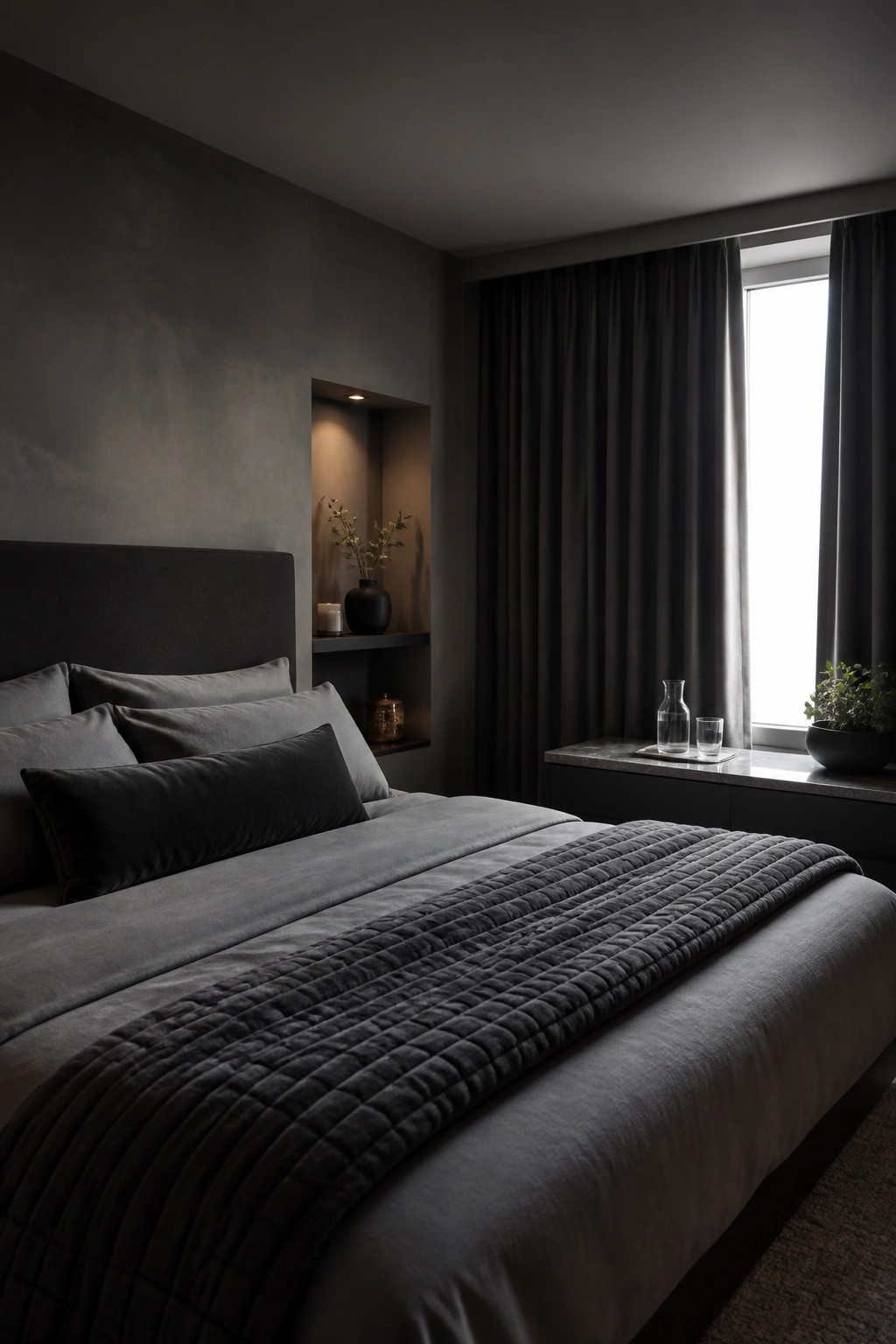
A bedroom wrapped in deep tones tends to feel quieter at the end of the day. Everything blending into one dark palette makes the space feel more contained, which helps the mind settle faster before sleep.
Start with dark bedding and heavy curtains, then keep other pieces simple so the color does the work. This approach suits rooms that get bright light during the day and need help blocking it out at night.
A Soft Rocking Chair For Evening Routines
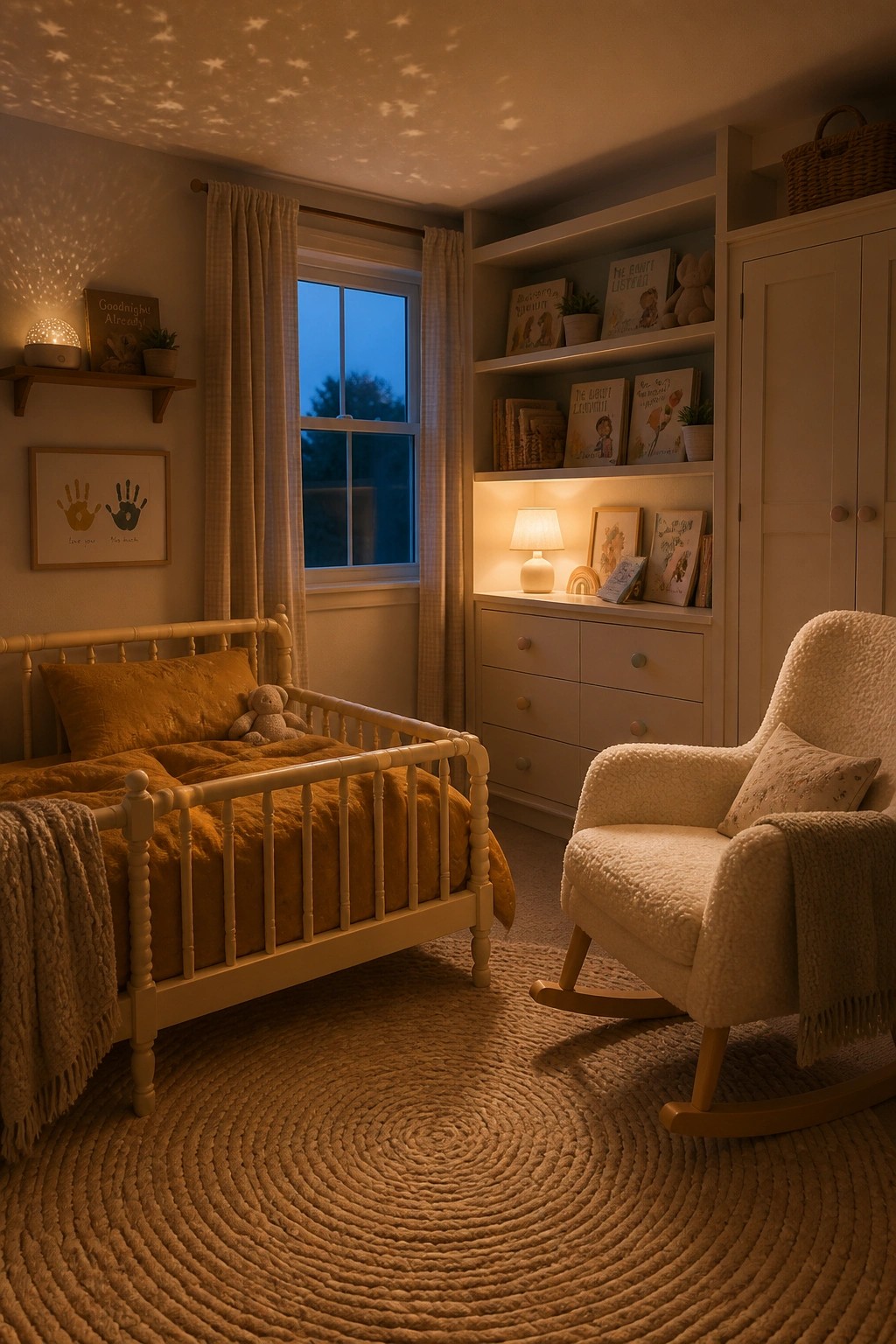
A rocking chair gives the room a clear spot for slowing down before bed. The low seat and soft cushions make it easy to sit with a book or rock a child without moving around the space too much. Warm lighting nearby helps the whole corner feel separate from the rest of the room.
This setup works best in smaller bedrooms where you want one steady place to end the day. Keep the chair in a corner with a low lamp and a throw blanket so it stays inviting without adding clutter. Avoid bright overhead lights that can make the same spot feel less restful.
Dark Walls For A Calmer Evening

A dark color on the walls can make a bedroom feel more sheltered once the lights go down. The soft glow from a couple of bedside lamps keeps things practical while still low key.
This works especially well if your evenings tend to run late or if you live in a noisy area. Keep the rest of the furnishings simple so the dark tones do most of the work in setting the mood.
Draped Fabric Around the Bed
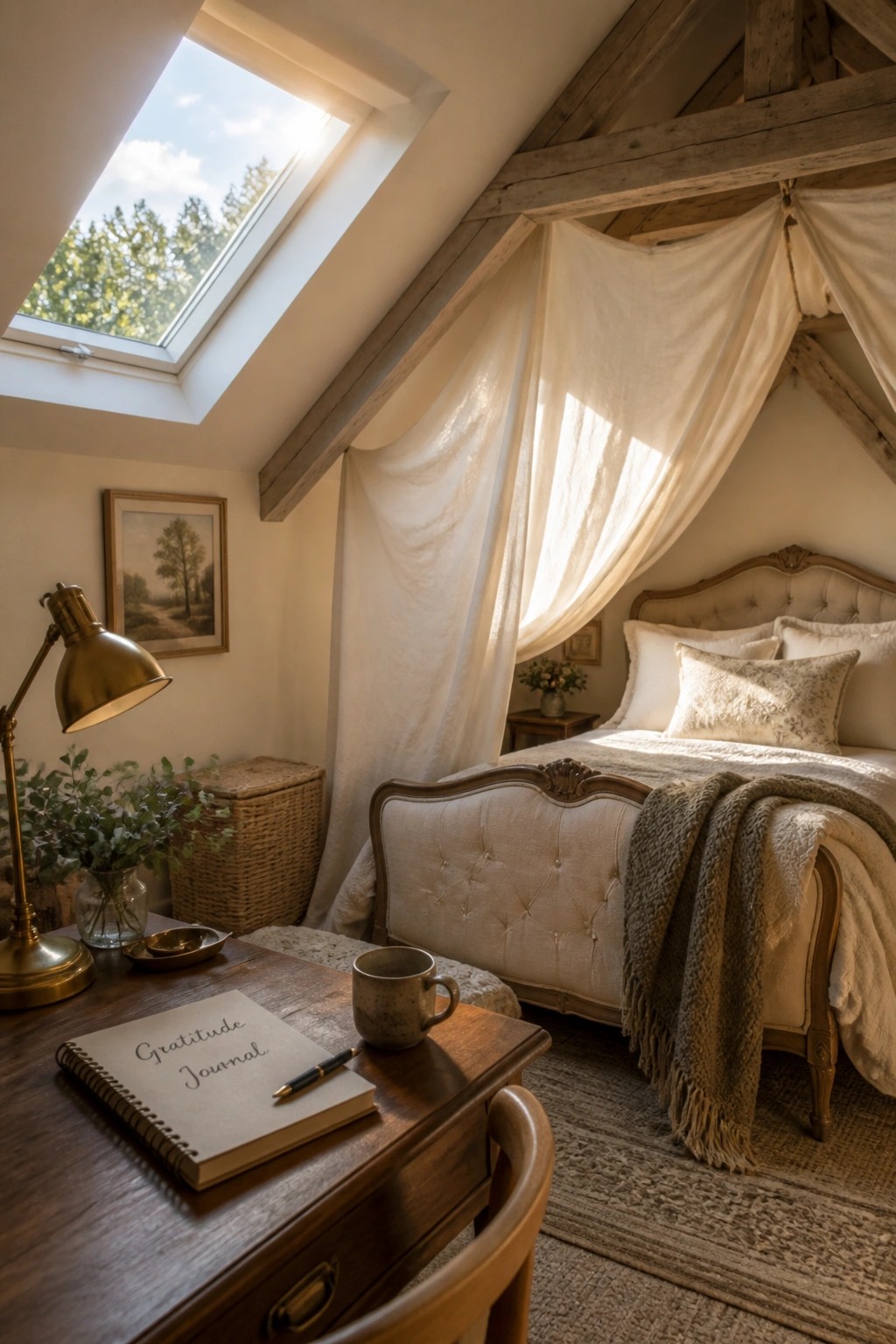
Many people find that adding soft drapes around the bed helps the room feel more enclosed and quiet at night. The fabric softens the edges of the space and creates a simple boundary that separates the sleeping area from the rest of the room.
This approach works especially well in attic bedrooms or spaces with sloped ceilings where a full canopy frame might feel too heavy. Lightweight linen or cotton panels hung from the ceiling or a simple rod let you adjust how much light and air come through, and they can be pulled back during the day if you want the room to feel more open.
Layering Soft Neutrals in the Bedroom
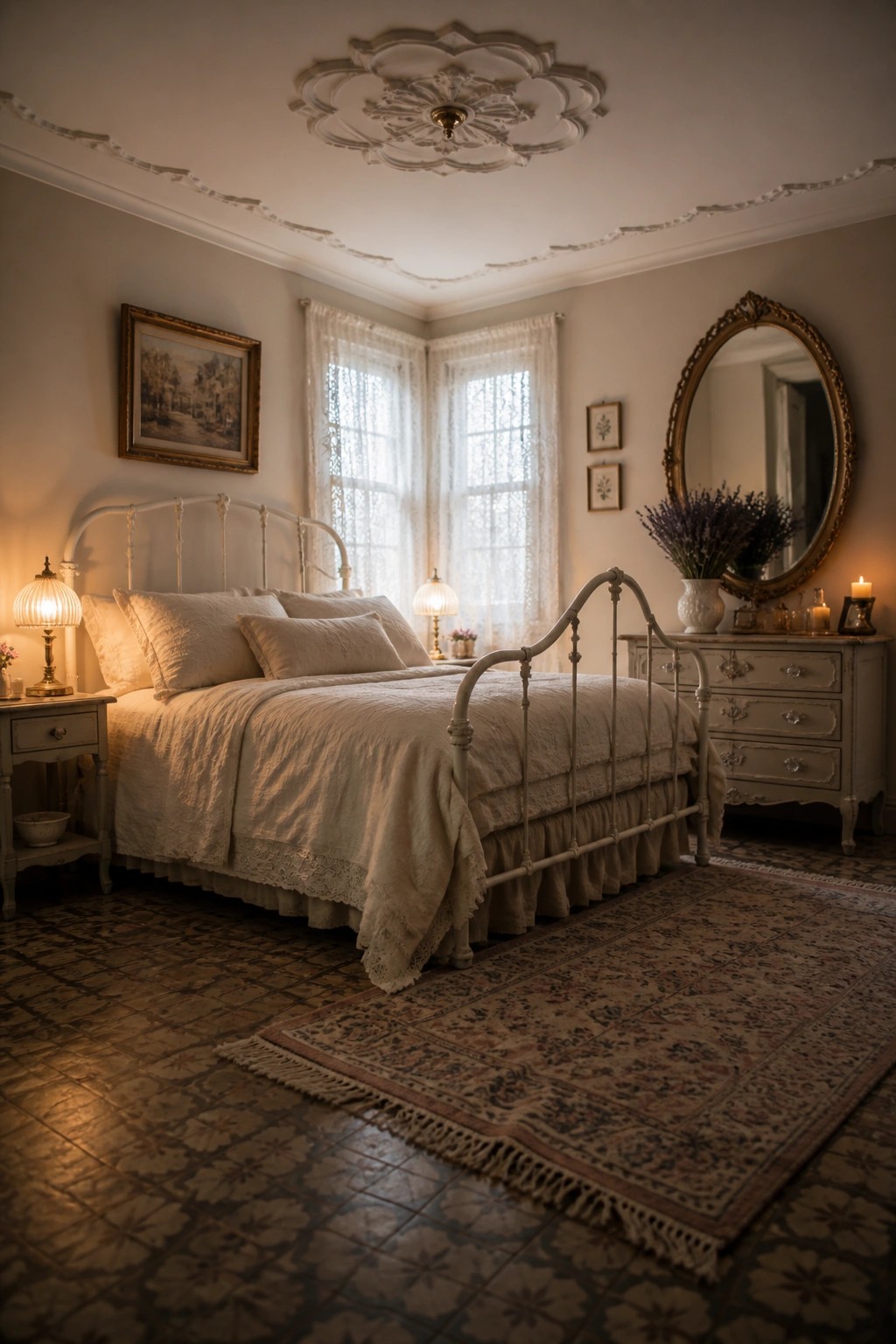
A bedroom done mostly in one soft color family can feel easier to settle into at the end of the day. The bedding, walls, and curtains all stay in the same light range, so nothing pulls the eye or adds extra visual noise right before sleep.
This works well in older homes or smaller rooms where you want the space to feel open without adding more furniture. Keep the layers simple, use one or two textured fabrics at most, and let the light from a couple of lamps do the rest.
Low Seating Around a Central Table
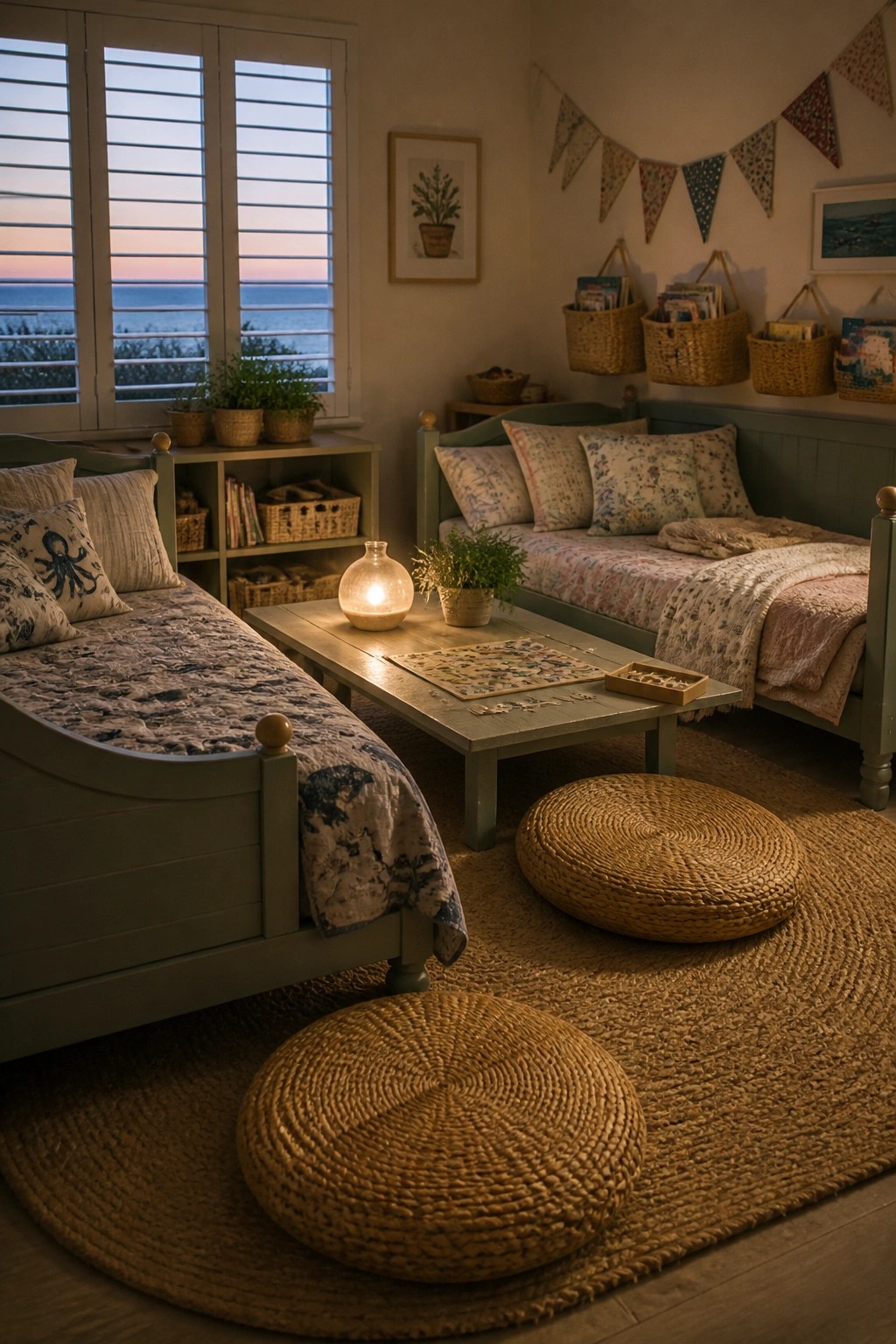
A low table with floor cushions gives the bedroom a relaxed spot for quiet activities at the end of the day. It keeps everything at a comfortable level so people can sit without sinking into a chair or climbing onto the bed.
This works best in rooms where you want one flexible area that can be used for puzzles, reading, or just talking before lights out. Choose simple woven cushions that can be moved aside easily when it is time to sleep.
Light Linens That Help The Room Feel Calmer

Many people find that swapping heavy bedding for lighter linen or cotton makes the whole space easier to settle into at night. The pale tones and soft texture cut down on visual noise, which can make it simpler to relax without extra effort.
This approach works best in rooms that already get decent natural light. Keep the palette mostly neutral and avoid adding too many patterns or dark colors if your goal is a quick wind down.
Adjustable Beds for Evening Reading
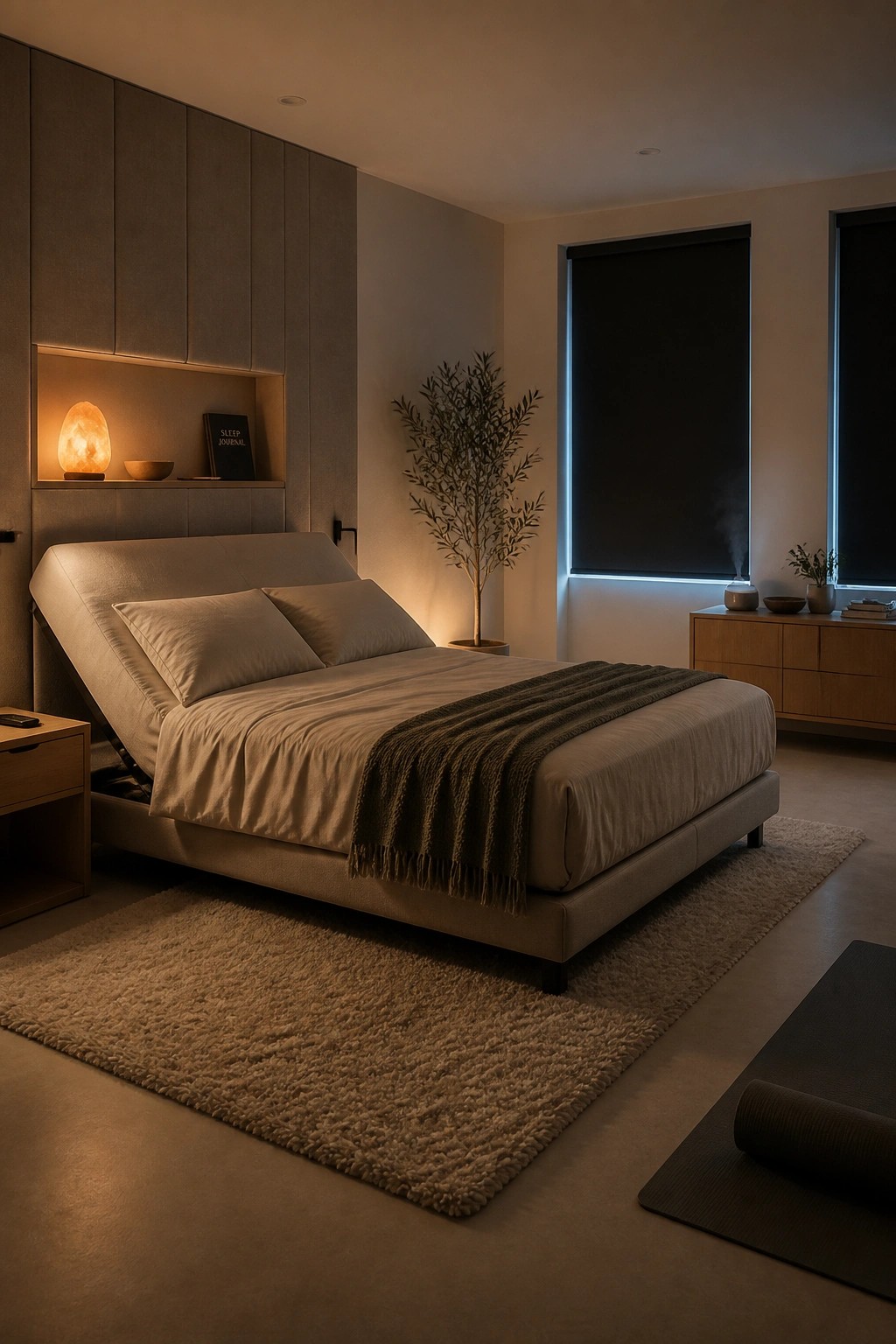
An adjustable bed frame makes it easy to sit up comfortably without stacking pillows. Raising the head creates a natural spot for reading or journaling right before bed, and the angle feels more supportive than a flat mattress.
This works especially well in bedrooms that lack room for a separate chair. Look for a quiet motor and a sturdy base so the bed stays stable when raised, and keep the surrounding space simple so the focus stays on relaxing.
Frequently Asked Questions
Q: How do I know if my current sheets are too rough for winding down?
A: Feel them against your skin right before you get in bed. If they catch or feel scratchy switch to something smoother like cotton or linen. The change shows up in how quickly you relax.
Q: What about plants in the bedroom do they really help?
A: Pick one or two that need little water. They add a bit of calm without extra effort. Place them where you see them from bed but not right by your pillow.
Q: My evenings run late so how can I still wind down properly?
A: Shift just the last thirty minutes. Dim the lights and skip screens during that window.
